
The Hook: The Postcard Is Only Half the Story
I started DreamerVentures with a simple observation: every destination sells you one version of itself.
The tourism board shows you the sunset. The guidebook shows you the temple. The Instagram algorithm shows you the perfectly framed moment that makes you want to book a flight.
But I kept finding the other version. The same city with the golden temple also has a forest where locals have placed suicide prevention signs since 2007. The same beach, with its turquoise water, also has a shipwrecked smuggling vessel rotting in the sand. The same island with the perfect coral reef also has a lagoon where nuclear tests vaporised entire ships.
I am not interested in the horror for its own sake. I am interested in honesty. A place is not fully understood until you see what it shows tourists and what it hides. That is the Two Sides philosophy. This article is the map.
What Is “The Two Sides”?
The Two Sides is not a genre. It is a method.
Every destination on this list has been evaluated against five criteria:
- A genuinely beautiful attraction — something worth traveling for, photographing, and remembering
- A verifiable dark history — documented events, not invented ghost stories
- Accessibility — you can legally visit both sides, or the dark side is visible from public space
- Ethical framing — the dark history is treated with respect, not sensationalism
- A connecting thread — the beauty and the darkness are not random; they are the same story told twice
This is not dark tourism for thrill-seekers. This is complete tourism for people who want the full image.
The Two Sides of Asia
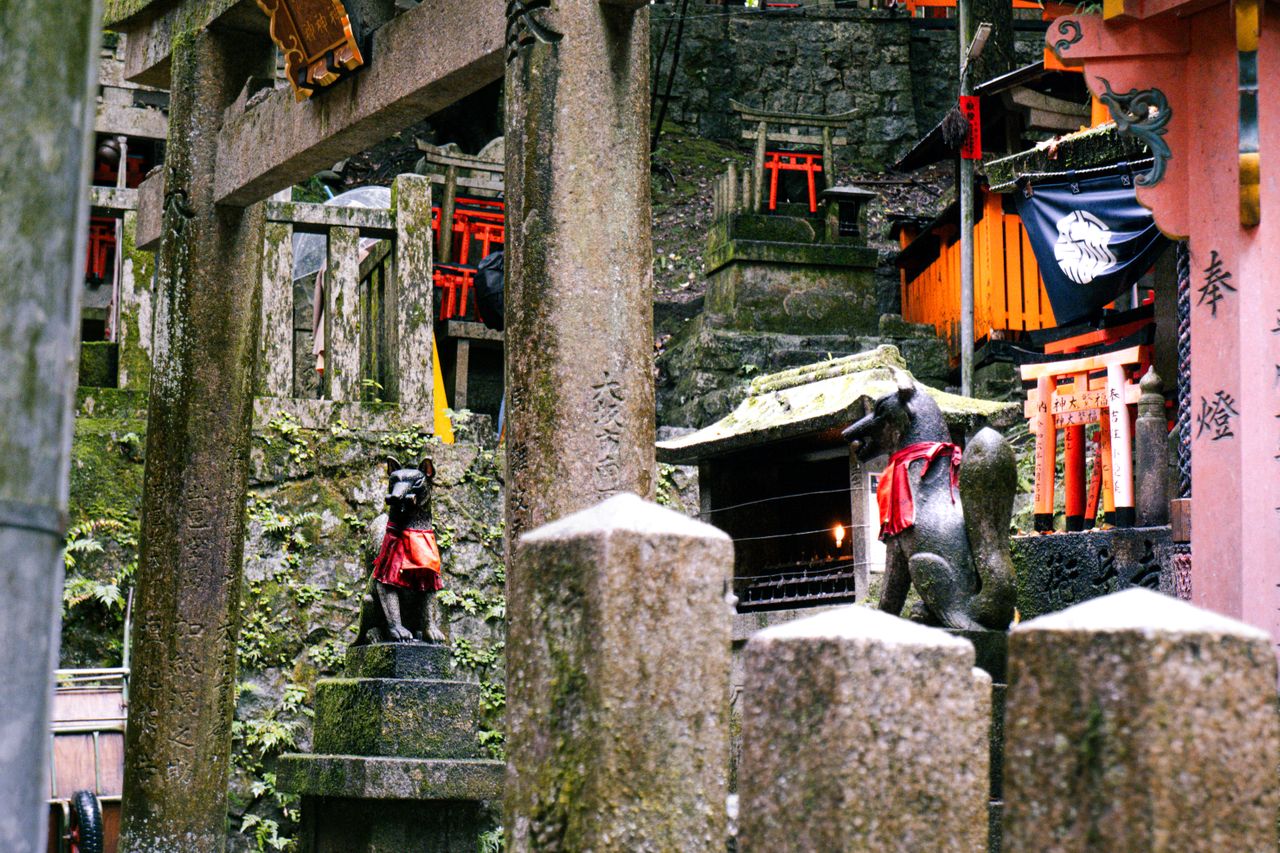
Japan: Kyoto — Temples and Fox Spirits
The Beautiful Side: 1,600 Buddhist temples. The golden pavilion of Kinkaku-ji is reflected in its pond at 9:00 AM. The thousand vermillion gates of Fushimi Inari at dawn, when the only sound is your footsteps on compacted earth.
The Dark Side: The same Fushimi Inari trail is open 24 hours, unlit beyond the first courtyard, and surrounded by fox statues representing shape-shifting messengers in Shinto folklore. The Toribeyama cemetery on the mountain’s back side has stones dating to the 1700s. Between 2015 and 2023, Kyoto police logged over forty rescue calls from hikers who became disoriented in the dark.
The Crossover: The orange of the torii gates is the Shinto colour of protection against evil. Every gate is a donation from a merchant thanking Inari for prosperity. The mountain is a ledger of economic ambition and spiritual fear, written in wood and stone.
[Read the complete Kyoto Two Sides guide →coming soon]
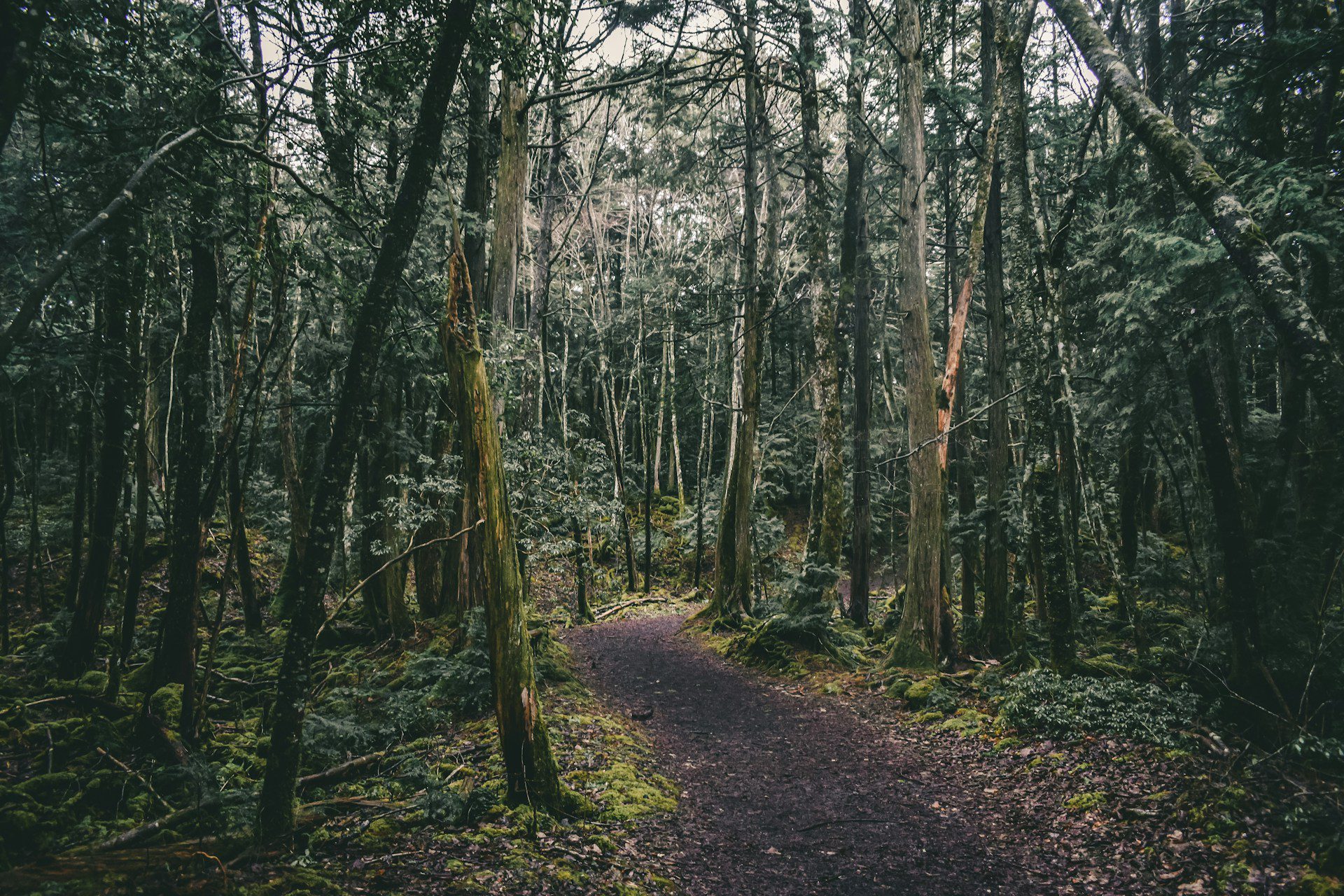
Japan: Aokigahara — The Forest and the Silence
The Beautiful Side: A dense woodland of moss, volcanic rock, and ice caves at the northwest base of Mount Fuji. The trees are so thick that sound behaves strangely. The forest floor is porous lava, absorbing footsteps.
The Dark Side: Since the 1950s, Aokigahara has been associated with suicide. The Japanese government stopped publishing exact numbers in 2010 to prevent copycat incidents. Prevention signs and patrols now exist. The forest is not “haunted.” It is a site of profound public health tragedy.
The Crossover: The same geological features that make Aokigahara visually unique — the porous lava, the magnetic iron deposits that confuse compasses, the dense canopy — also make it disorienting and isolating. The forest is beautiful because it is alien. It is dangerous for the same reason.
Note: We do not provide directions to specific sites within Aokigahara. We recommend visiting the Fuji Five Lakes region for its natural beauty and supporting mental health awareness organisations.
[Read the complete →coming soon]
Thailand: Maya Bay — Paradise and Overload
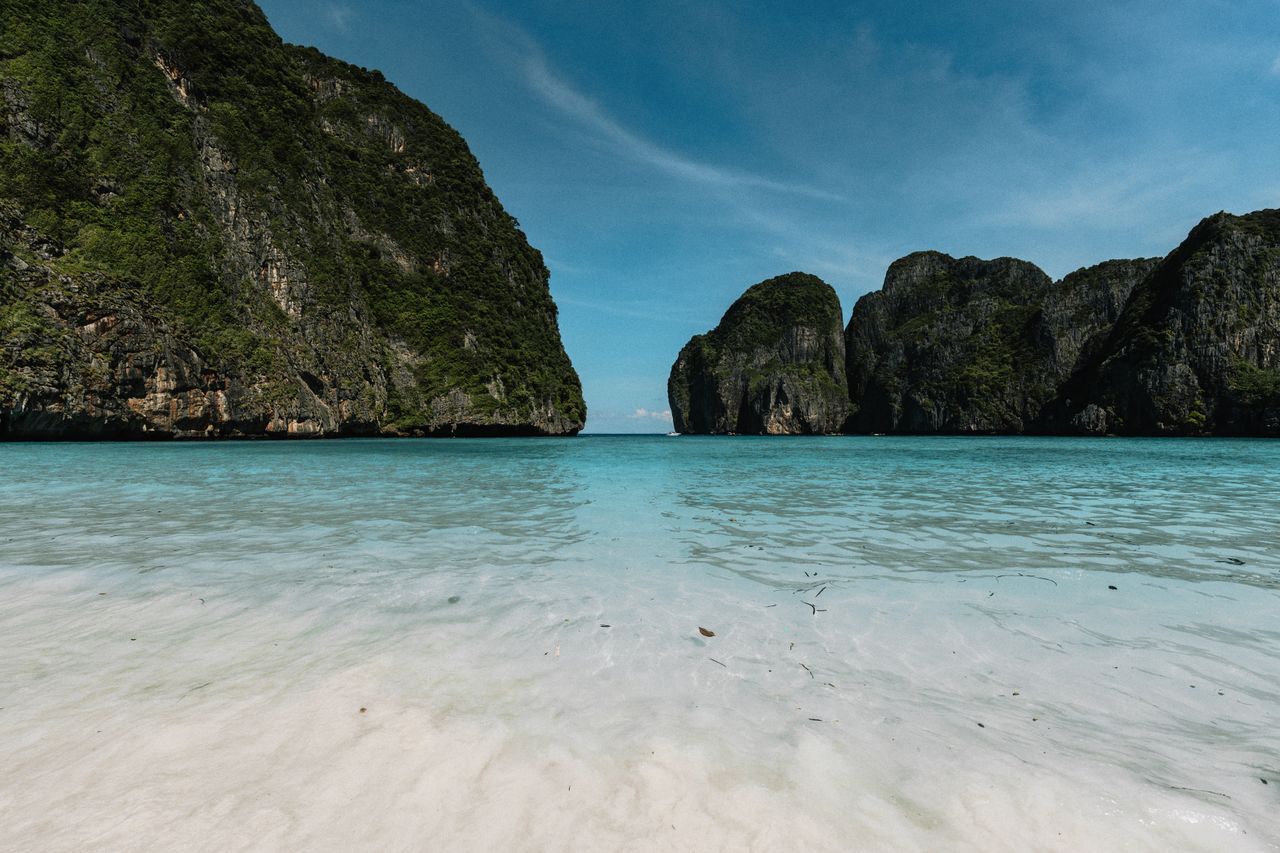
The Beautiful Side: Limestone cliffs rising from turquoise water. The beach from The Beach (2000). Coral reefs and bioluminescent plankton at night.
The Dark Side: By 2018, the coral was 80% dead from tourist boat anchors and sunscreen pollution. The Thai government closed the bay entirely for four years. It reopened in 2022 with strict limits — 375 visitors per hour, no boats in the bay itself, timed entry.
The Crossover: Maya Bay proves that beauty can be loved to death. The same features that made it a film location — isolation, clear water, coral — made it vulnerable to attention. The closure was the dark side of its own popularity.
[Read the complete →coming soon]
Cambodia: Angkor Wat — Temples and Terror
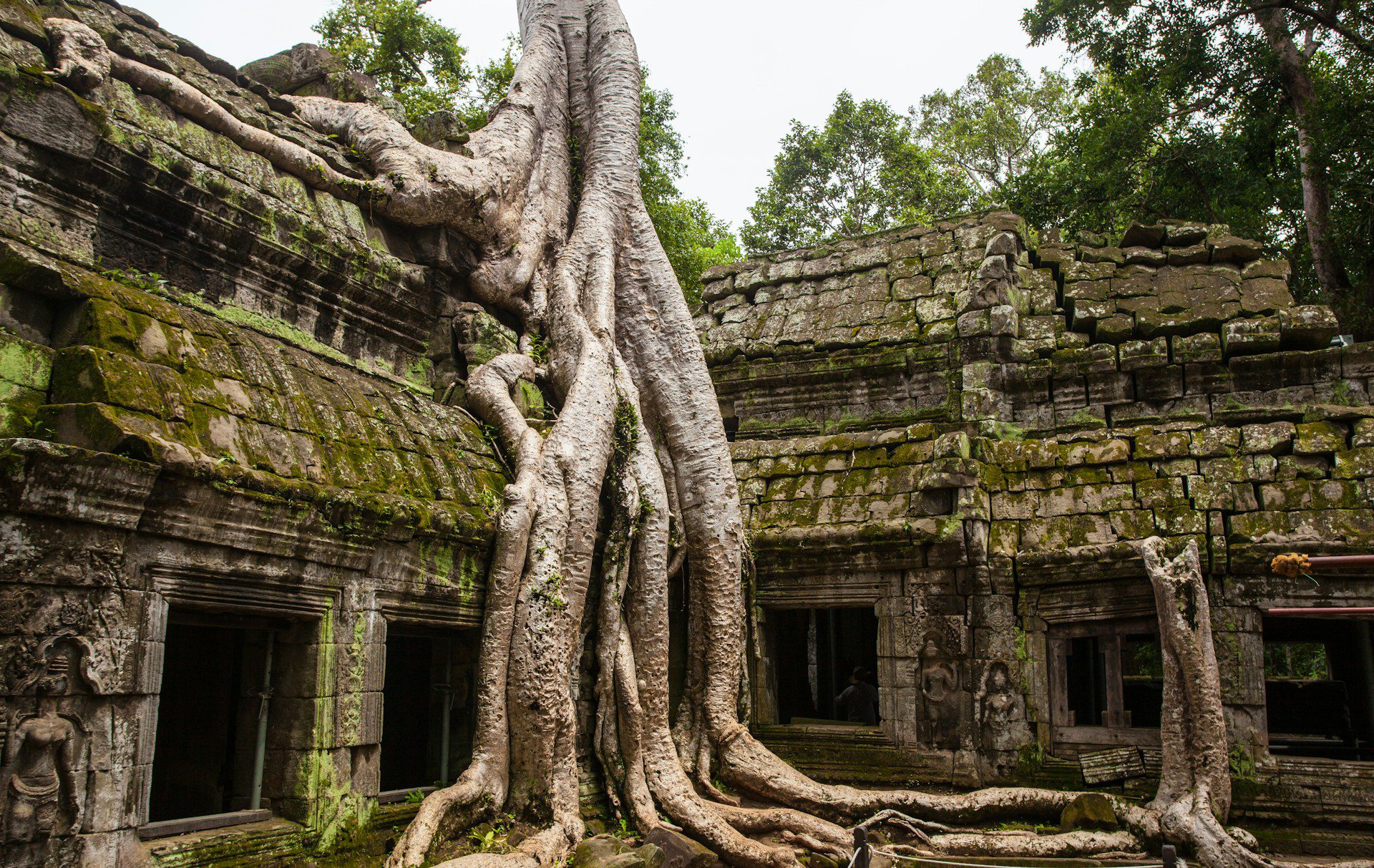
The Beautiful Side: The largest religious monument in the world. Five towers representing Mount Meru. Bas-reliefs depicting the churning of the ocean of milk. Sunrise over the central sanctuary.
The Dark Side: Angkor Wat was built during the Khmer Empire, which collapsed due to drought and overextension. In the 1970s, the Khmer Rouge used the temple complex as a symbol while executing 1.7 million Cambodians. Bullet holes from that era are still visible on some outer walls.
The Crossover: The Khmer Empire built Angkor Wat to last forever. It lasted 900 years. The Khmer Rouge tried to build a new society in a single generation. It lasted four years. The temple is what remains when ideology fails.
[Read the complete →coming soon]
The Two Sides of Europe
France: Paris — Light and Bones
The Beautiful Side: The Eiffel Tower at 8:45 PM, when the lights flicker for five minutes. The Luxembourg Gardens at 7:00 AM in June. The limestone facades of the Marais are glowing warm in morning light.
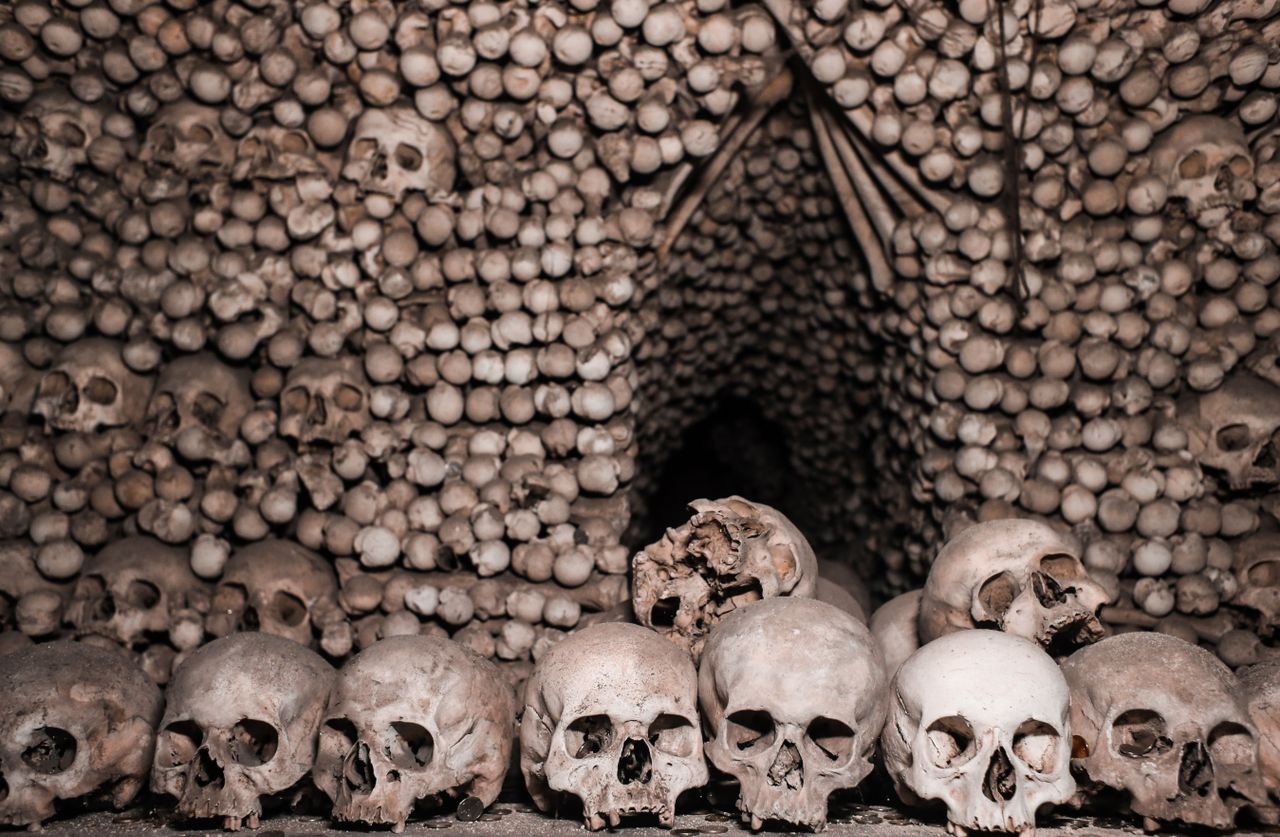
The Dark Side: Sixty feet below the Trocadéro, the Paris Catacombs hold the arranged bones of six million people. The Haussmann boulevards were built by displacing twenty thousand working-class Parisians to prevent revolutionary barricades. The Vel’ d’Hiv Roundup of 1942 — 13,152 Jews arrested by French police, held in a cycling stadium near the Eiffel Tower — is memorialised at 15 Quai de Grenelle, where most tourists walk past without noticing.
The Crossover: Paris is called the City of Light because of its intellectual history and its physical illumination. But the light was also a tool of control — Haussmann designed wide boulevards so the army could fire on protesters. The beauty and the surveillance are the same infrastructure.
[Read the complete →coming soon]
The Beautiful Side: The Charles Bridge at 6:00 AM, thirty Baroque statues, silence and sandstone. The astronomical clock strikes the hour in Old Town Square. The castle district glows across the Vltava.
Czech Republic: Prague — Clocks and Cemeteries
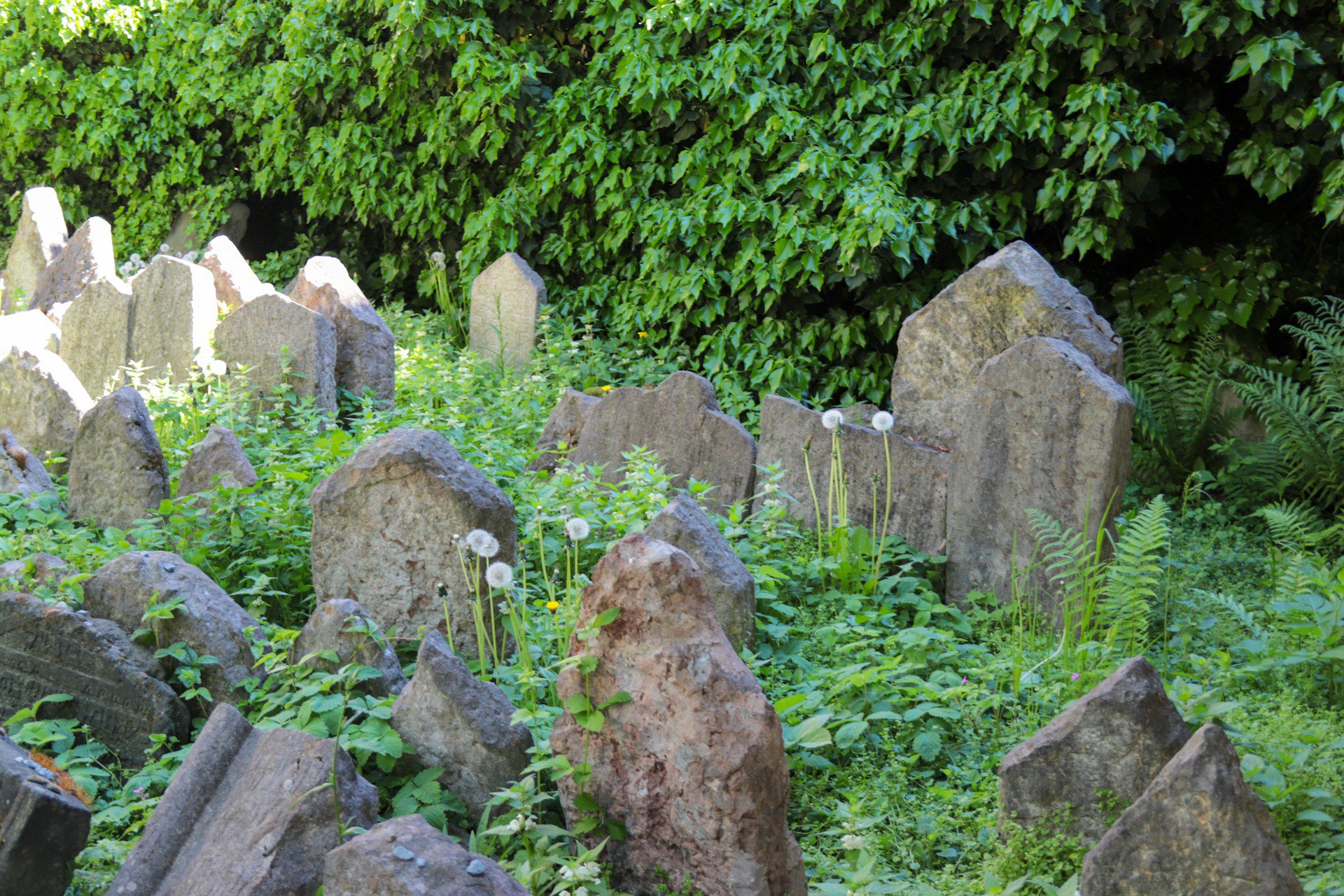
Spring among the tombs of the old Jewish cemetery of Praha
The Dark Side: The Old Jewish Cemetery, used from 1439 to 1787, has twelve thousand visible tombstones and an estimated one hundred thousand bodies stacked in twelve layers of soil. The Pinkas Synagogue lists 77,297 Czech Jews murdered by the Nazis — names written floor to ceiling. The Lidice village destruction in 1942 was retaliation for the assassination of Nazi governor Reinhard Heydrich.
The Crossover: The astronomical clock still works perfectly. The cemetery is still there. You can visit both in the same morning. Prague does not hide its darkness. Tourists do.
[Read the complete →coming soon]
Romania: Transylvania — Castles and Vlad
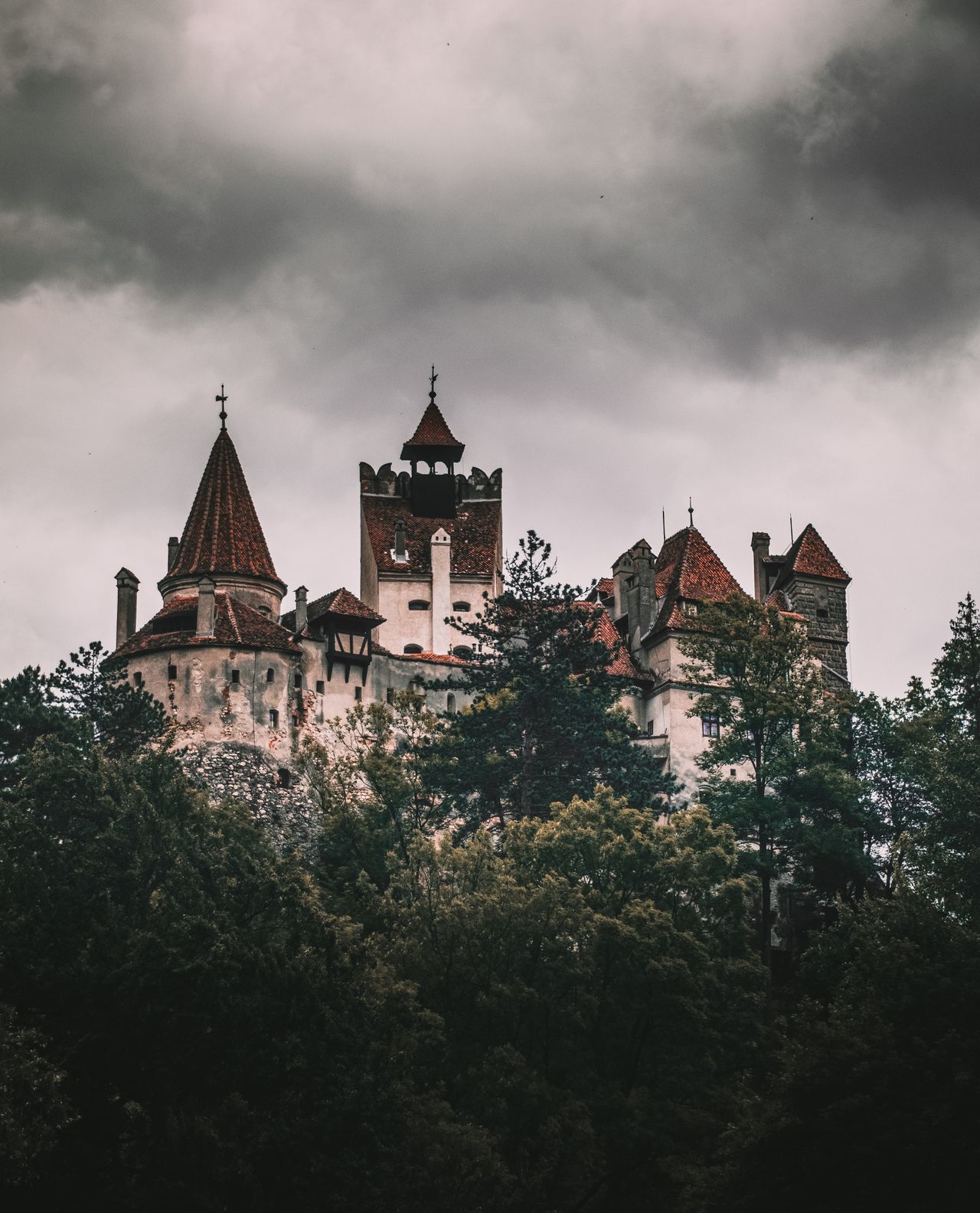
The Beautiful Side: Bran Castle, perched on a cliff between Transylvania and Wallachia. Corvin Castle in Hunedoara is one of Europe’s largest Gothic-Renaissance fortresses. The Carpathian Mountains in autumn.
The Dark Side: Vlad III — Vlad the Impaler — was a real 15th-century ruler, not a vampire. He impaled approximately 20,000 Ottoman prisoners at Târgoviște. Bran Castle has almost no historical connection to Vlad but was marketed as “Dracula’s Castle” in the 1970s for tourism. The real history is more brutal than the fiction.
The Crossover: Transylvania is beautiful because it was isolated, mountainous, and difficult to conquer. Vlad was effective because he used the same terrain for defence. The landscape that creates castles also creates fortresses of the mind.
[Read the complete →coming soon]
Italy: Pompeii — Frozen in Ash
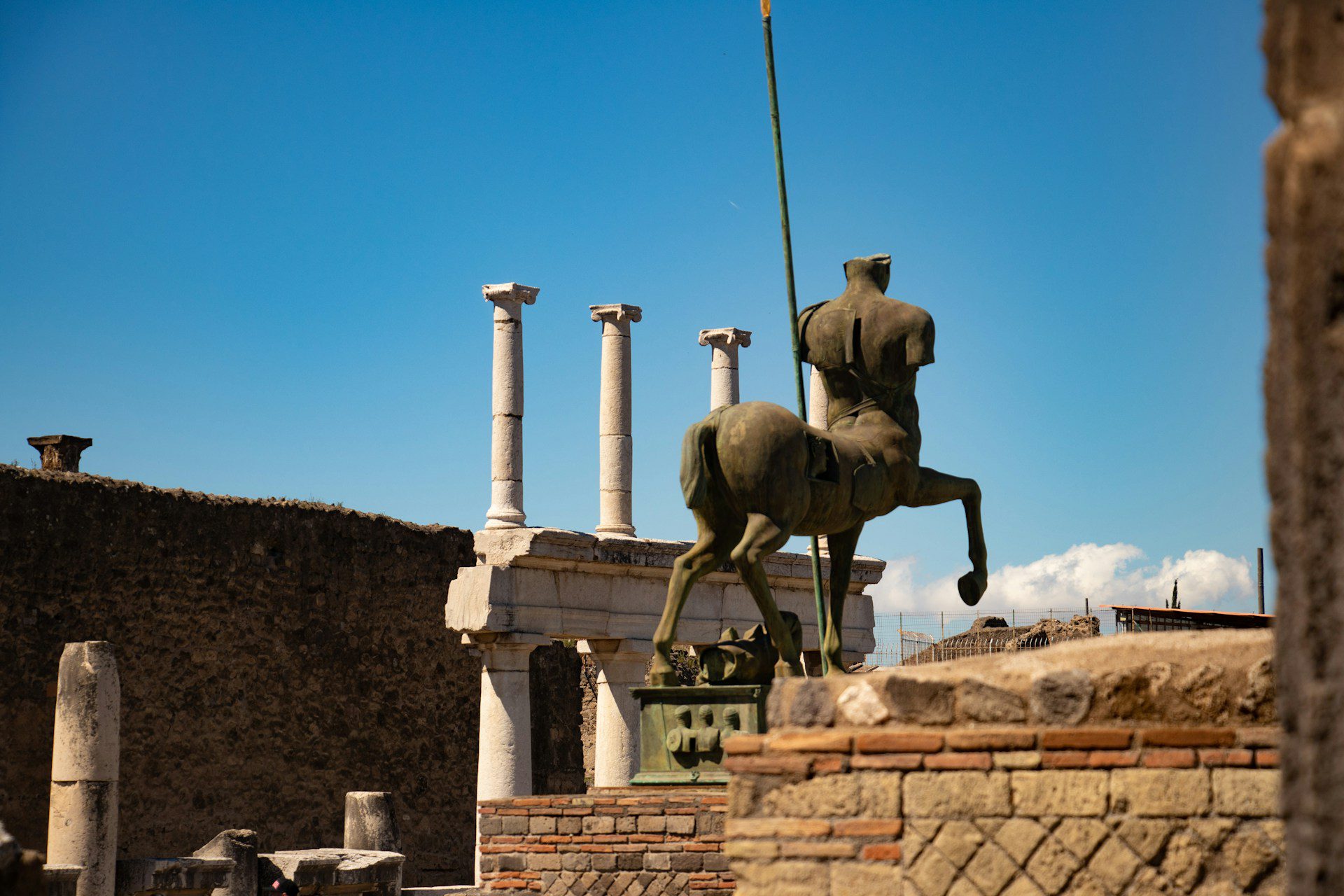
The Beautiful Side: A Roman city preserved at the moment of destruction in 79 AD. Frescoes are still vibrant. The Forum, the amphitheatre, the Villa of the Mysteries. Mount Vesuvius is visible in the background, now quiet.
The Dark Side: Approximately 2,000 people died in the eruption. The bodies were preserved in ash, creating hollow moulds that show final positions — a man covering his face, a dog twisting in agony, a family huddled together. The casts are not statues. They are death masks.
The Crossover: Pompeii is the most visited archaeological site in the world because it is beautiful. But its beauty exists only because of sudden, total destruction. Every fresco, every mosaic, every street was preserved by catastrophe. The art and the ash are inseparable.
[Read the complete →coming soon]
The Two Sides of the Americas
USA: Charleston — Gardens and Chains
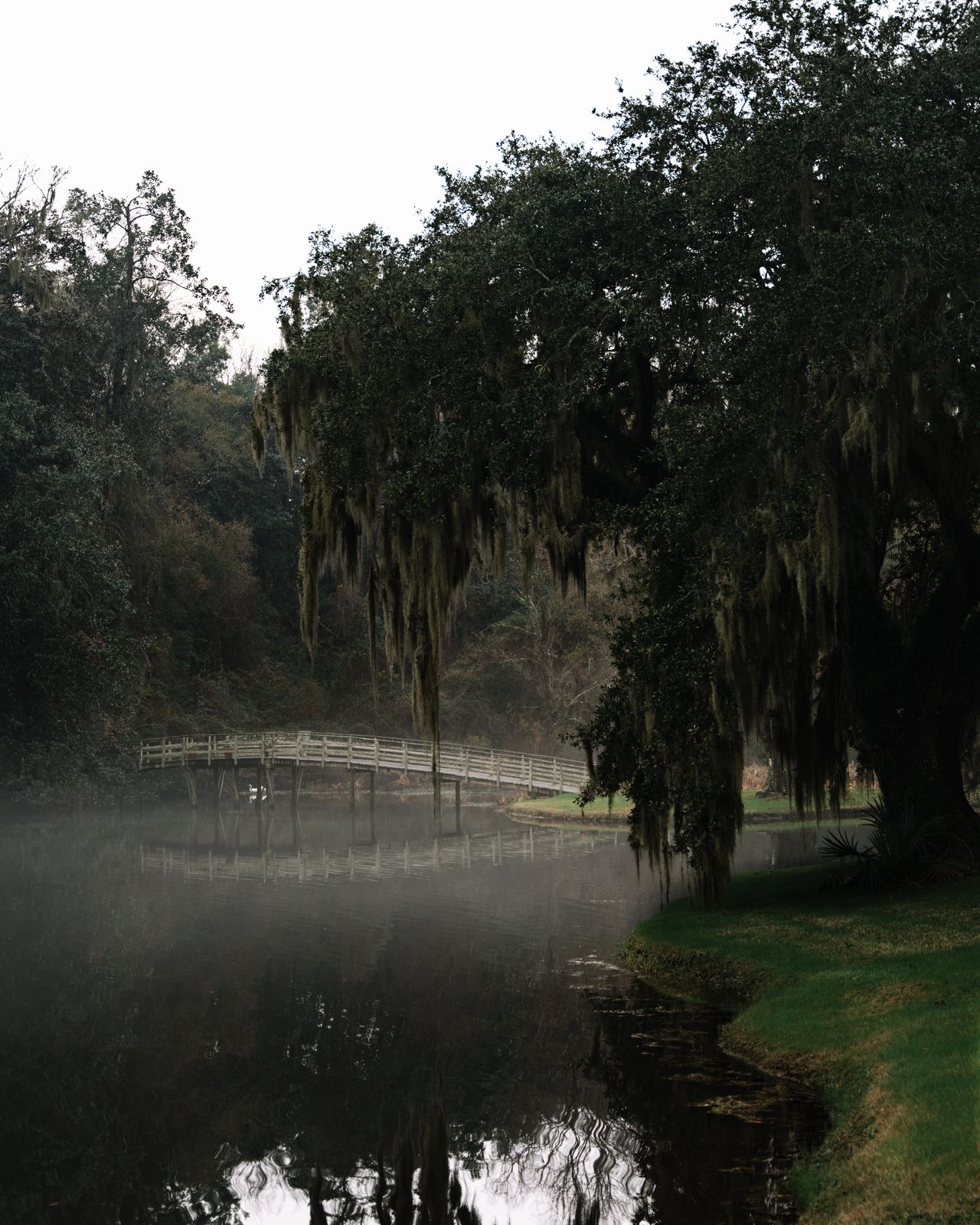
The Beautiful Side: Rainbow Row’s pastel colours. Magnolia trees dripping with Spanish moss. Antebellum mansions on Meeting Street. The Nathaniel Russell House spiral staircase — a three-story free-floating ellipse built in 1808.
The Dark Side: Forty per cent of all enslaved Africans who entered North America came through Charleston. The Old Slave Mart at 6 Chalmers Street — fifty yards from the City Market — was a slave auction facility built in 1859. The Russell House staircase was built by enslaved carpenters. The gardens were planted by enslaved horticulturists.
The Crossover: Charleston’s gardens are not guilty of slavery. But they are evidence of it. The craftsmanship in the staircase is a testament to skill that was never credited. Ignoring that does not honour the staircase. It erases the people who built it.
[Read the complete →coming soon]
Mexico: Mexico City — Food and Dolls
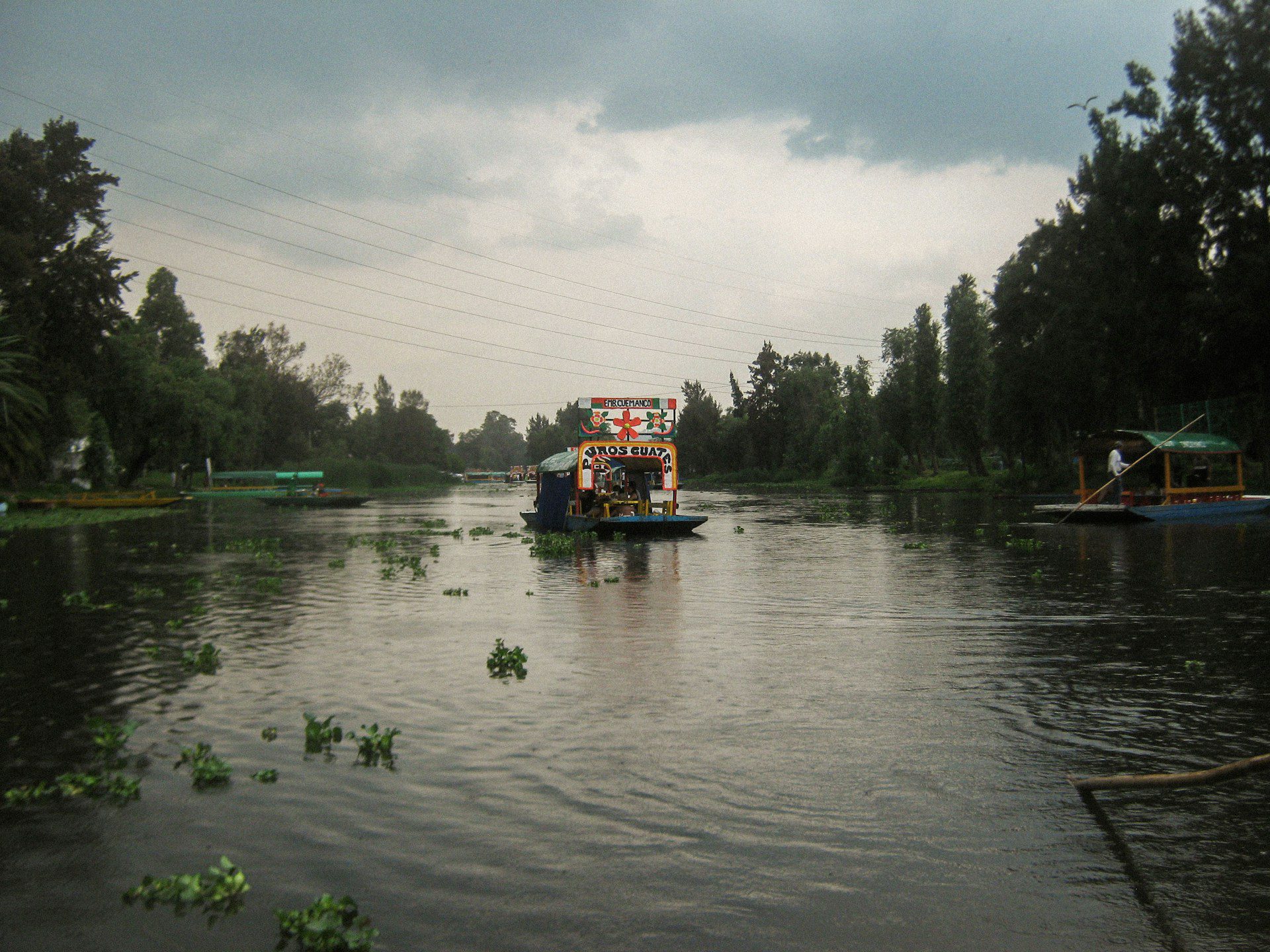
The Beautiful Side: UNESCO City of Design. Mercado de San Juan’s exotic meats. El Huequito’s al pastor — the original. Pujol is consistently ranked among the world’s best restaurants. Mezcal in Roma Norte.
The Dark Side: Xochimilco’s Isla de las Muñecas — the Island of the Dolls. Don Julian Santana hung dolls in the canals for fifty years after finding one in the water, believing it was a protective spirit offering. The “drowned girl” story was invented by a 2009 travel blog. The real history is stranger and sadder than the myth.
The Crossover: Mexico City is built on the ruins of Tenochtitlan, the Aztec capital destroyed by Cortés in 1521. The same lake system that fed the Aztec empire now feeds Xochimilco’s canals. The food, the dolls, and the ancient city are all products of the same water.
[Read the complete →coming soon]
Argentina: Patagonia — Glaciers and Ghost Towns
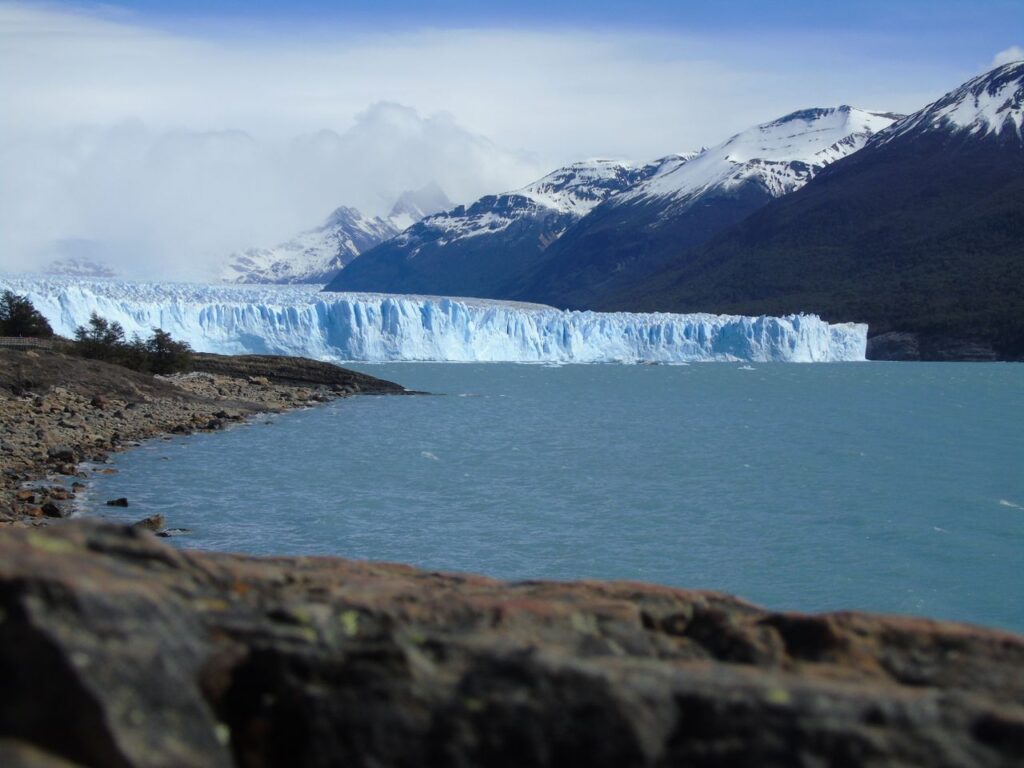
The Beautiful Side: Perito Moreno Glacier, one of the few advancing glaciers in the world. Electric blue ice formations. The Fitz Roy massif at sunrise from Laguna de los Tres. Wild camping under stars with zero light pollution.
The Dark Side: Hundreds of abandoned estancias — sheep ranches — dot the Patagonian steppe. Estancia La María was abandoned in 1993 after the British wool market collapsed. The owner left behind 2,000 sheep, a 1920s Sheffield shearing machine, and unpaid wages. The wind moves through corrugated iron roofs. The steppe reclaims the worker’s quarters.
The Crossover: The same wind that shapes the glaciers into electric blue also eroded the estancia’s roof. The same isolation that makes Fitz Roy’s summit pristine made Patagonia’s sheep ranches economically impossible. Patagonia is beautiful because it is harsh. The abandoned places are proof of that harshness.
[Read the complete →coming soon]
The Two Sides of Africa
South Africa: Robben Island — Prison and Penguins
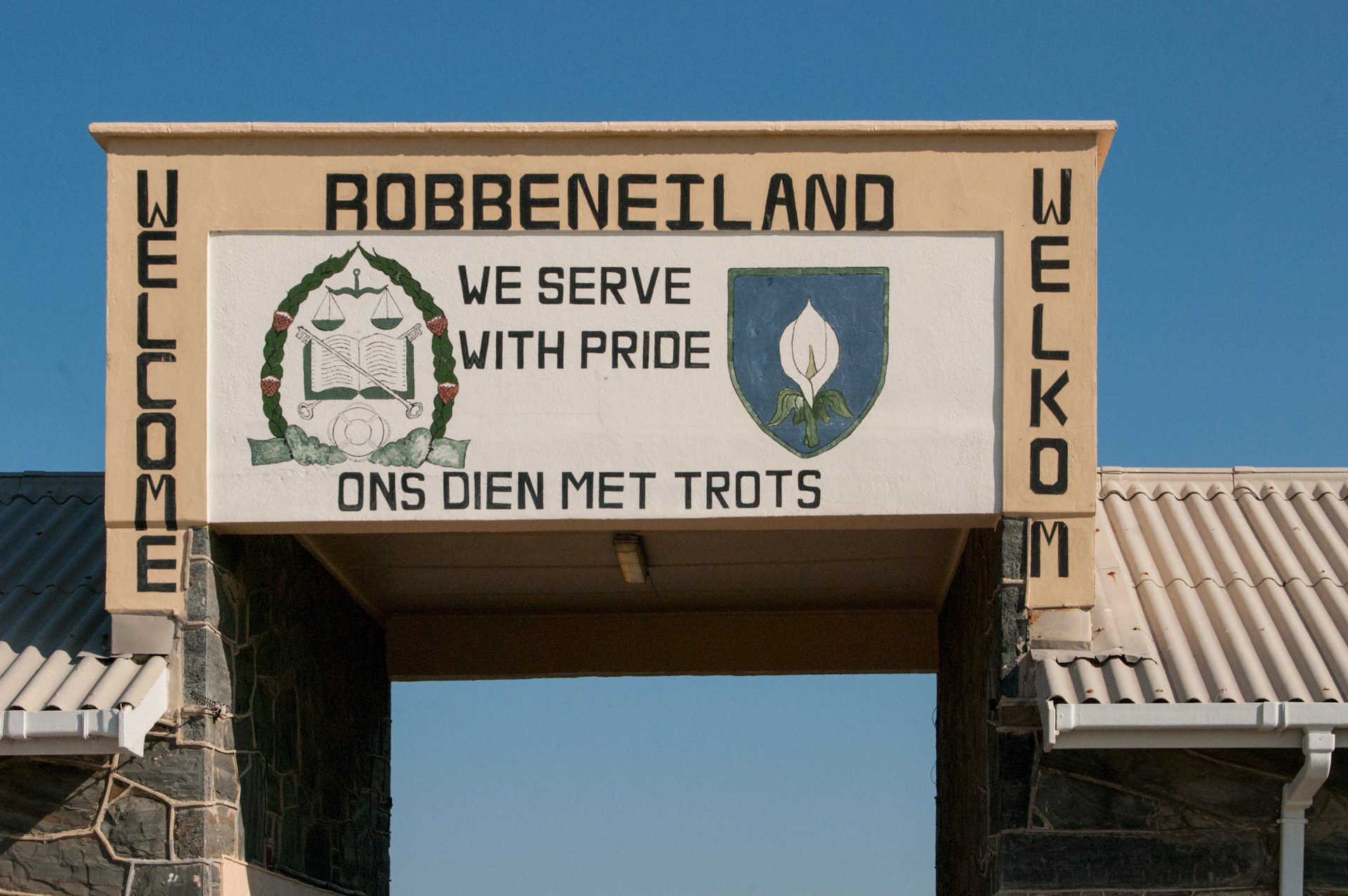
The Beautiful Side: View of Table Mountain from the ferry. African penguins on the island’s beaches. A UNESCO World Heritage site.
The Dark Side: Maximum-security prison from 1961 to 1996. Nelson Mandela spent 18 of his 27 prison years here, in a 2.4-by-2.1-meter cell, quarrying limestone that damaged his eyes. Other political prisoners were tortured. The island’s name comes from the Dutch word for seals — robben —, but the human history overshadows the wildlife.
The Crossover: Robben Island is now a museum of liberation. The same prison that held Mandela now educates visitors about his freedom. The penguins are an afterthought. The beauty is the transformation, not the landscape
[Read the complete →coming soon]
Namibia: Skeleton Coast — Dunes and Bones
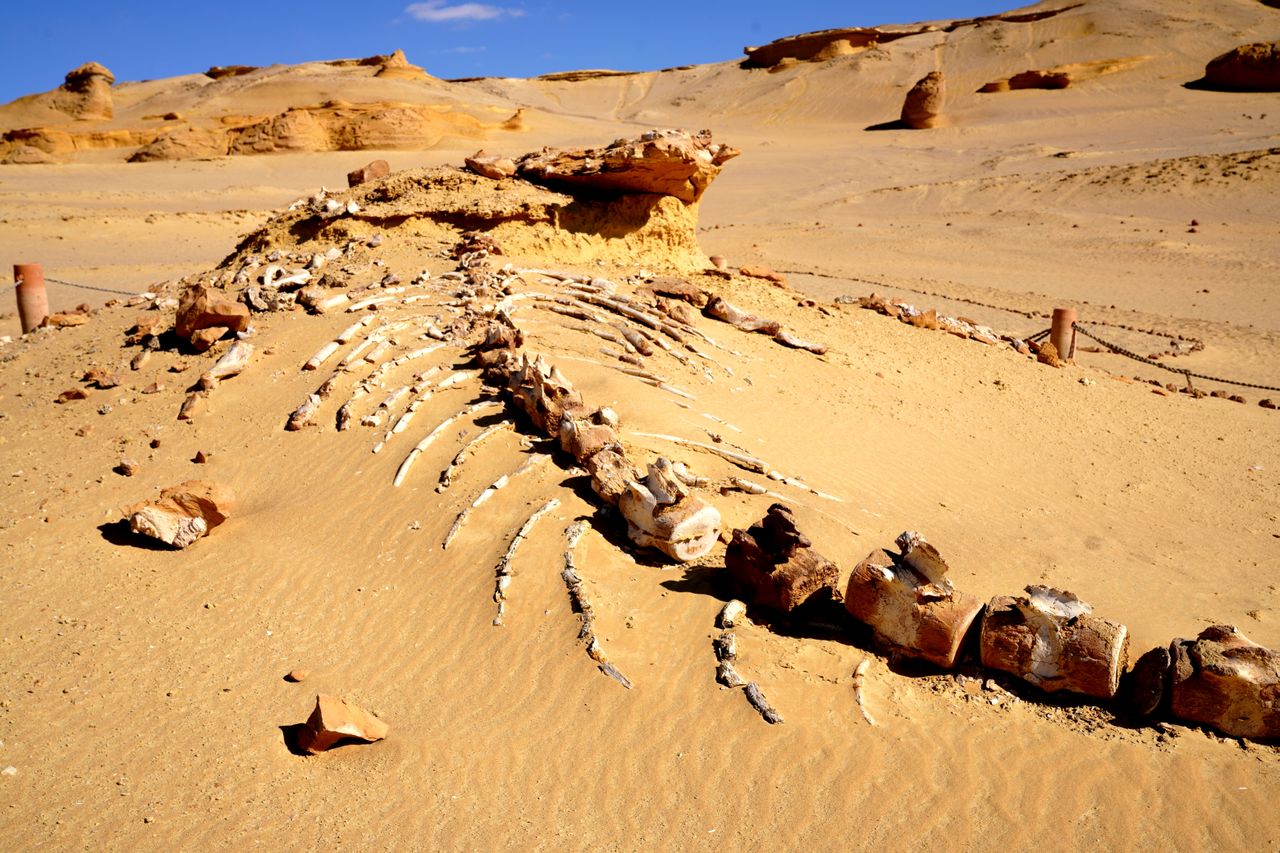
The Beautiful Side: Shipwrecks in desert dunes. Seal colonies. Stark, minimalist beauty. One of the most photographed coastlines in Africa.
The Dark Side: Named for whale bones and shipwrecked sailor skeletons. Over 1,000 ships were destroyed by fog and the Benguela current. No fresh water for hundreds of miles. The interior is littered with rusted hulls and bleached bones. The San people called it “The Land God Made in Anger.”
The Crossover: The Skeleton Coast is a national park because it is beautiful. But its beauty is the beauty of survival — the seals, the desert-adapted elephants, the few plants that live on fog alone. Death is what makes survival visible.
[Read the complete →coming soon]
The Two Sides of Oceania
French Polynesia: Bora Bora — Lagoon and Atolls
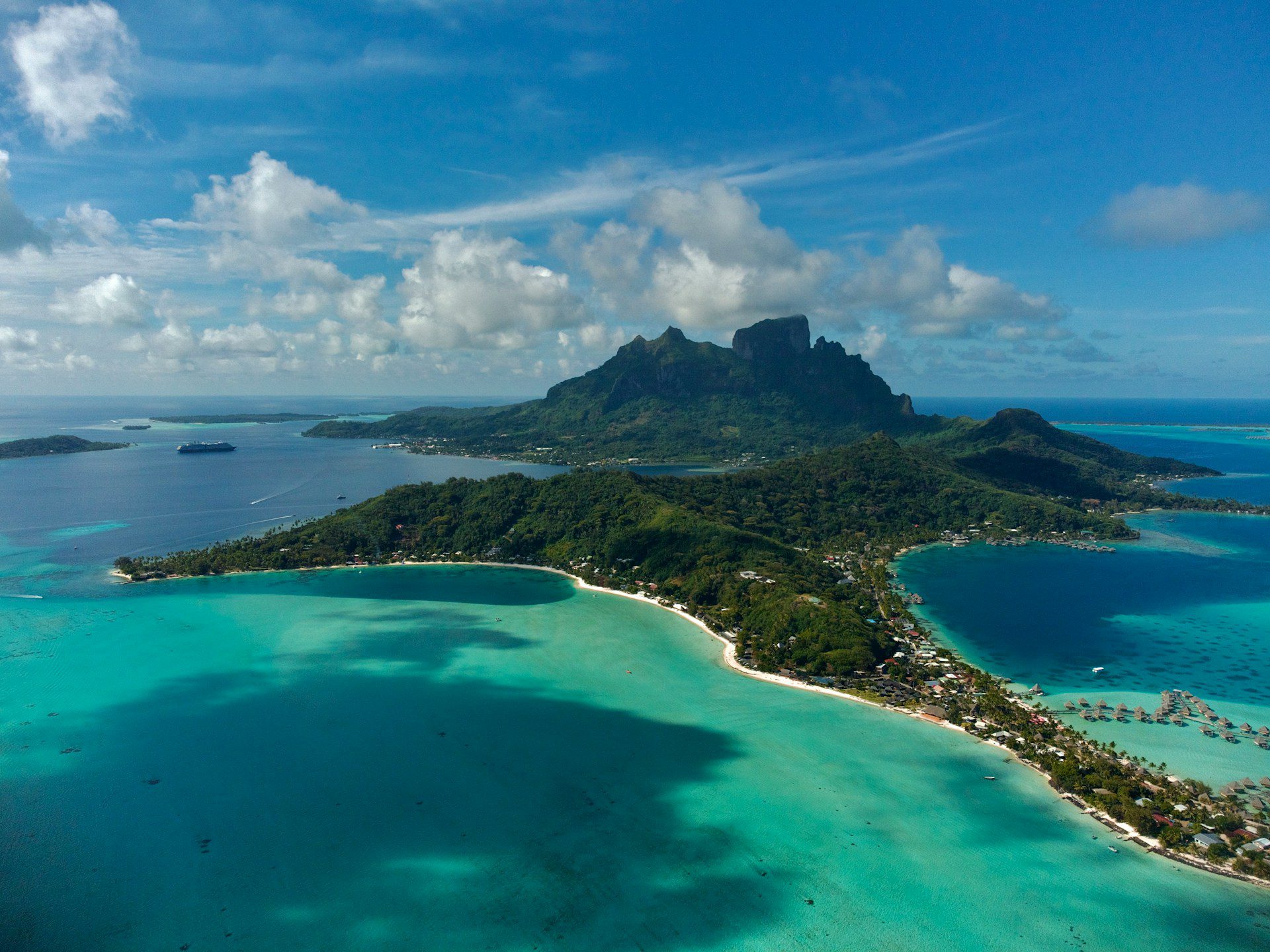
The Beautiful Side: Turquoise lagoon. Overwater bungalows. Mount Otemanu. Coral gardens and manta rays.
The Dark Side: Bora Bora was a US military supply base during World War II. Eight naval guns were installed on the island. The airstrip that now brings tourists was built by the US Navy. The “paradise” infrastructure is military infrastructure, repurposed.
The Crossover: The same airstrip that launched bombers now lands honeymooners. The same lagoon that sheltered warships now shelters overwater villas. Bora Bora is beautiful because it was strategically important enough to militarise, then abandoned enough to romanticise.
[Read the complete →coming soon]
How to Use This Guide
This is not a checklist to complete. It is a philosophy to apply.
When you plan your next trip, ask:
- What is the beautiful attraction that draws everyone?
- What is the dark history that most visitors miss?
- Are they connected, or are they accidents of geography?
- Can I visit both respectfully?
- Will understanding both change how I see the place?
If the answer to question 5 is yes, you have found a Two Sides destination.
The Ethics of Two-Sided Travel
We do not visit massacre sites for selfies. We do not trespass on private property to photograph abandoned buildings. We do not invent ghost stories where none exist.
We do:
- Research primary sources before visiting
- Hire local guides when possible
- Respect memorials and active religious sites
- Support local economies, not just international chains
- Tell the truth, even when it complicates the postcard
FAQ: What People Actually Ask
Is dark tourism disrespectful?
Not if you go to learn. It becomes disrespectful when you treat a site as a backdrop for social media. The Shoes on the Danube, the Old Slave Mart, and the Vel’ d’Hiv Memorial were built specifically so people would not forget. Your presence, if quiet and attentive, honours that purpose.
How do I find Two Sides destinations near me?
Start with any UNESCO site. Most have a beautiful presentation and a contested history. Then search: [destination] + history + controversy or [destination] + abandoned or [destination] + dark tourism. The overlap is your Two Sides angle.
What gear do I need for Two Sides travel?
Standard travel gear plus: a headlamp (for unlit sites), sturdy boots (for uneven ground), a notebook (for recording details your phone will miss), and a willingness to be uncomfortable.
Can I visit these places with children?
Some yes, some no. The Catacombs and Old Slave Mart have age recommendations. War memorials are appropriate for teenagers with preparation. Natural beauty sites are suitable for all ages. Use your judgment.
How do I start my first Two Sides trip?
Pick one destination from this list. Read both the beautiful and dark sections. Book one beautiful activity and one dark activity for the same day. Notice how they change each other.